
Astronomical events in September 2024: a month of conjunctions and bright planets
September 2024 promises to be a month full of astronomical spectacles, inviting us to gaze at the sky and marvel at the planets and the Moon in their different phases. From dusk to dawn, celestial bodies will offer us breathtaking views you won't want to miss. Below, Astro Telescopes, an astronomy store, presents this month's highlights for observers located in the Northern Hemisphere.

Saturn in the September Evenings
As night falls in September, the planet Saturn becomes one of the first bright spots in the sky. From the east, this gas giant will make its appearance shortly after sunset, visible to the naked eye. Its rings, although difficult to see without a telescope, are one of the most fascinating phenomena in the solar system. Saturn will continue to dominate September nights, providing a spectacular sight for observers.
Venus and the Crescent Moon: An Evening Encounter
In the west, as the Sun sets, Venus stands out as the "evening star." This planet, the brightest of all after the Moon, will rise higher in the night sky over the coming months, becoming an object of great interest to amateur and professional astronomers.
On September 5, a slender crescent Moon will join Venus, creating a beautiful spectacle in the evening sky. This conjunction will offer an excellent opportunity to observe and photograph these two celestial bodies in the same field of view, creating a serene and beautiful image.
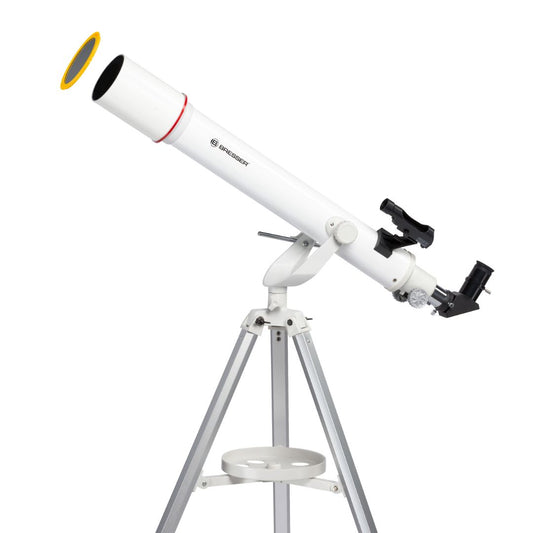
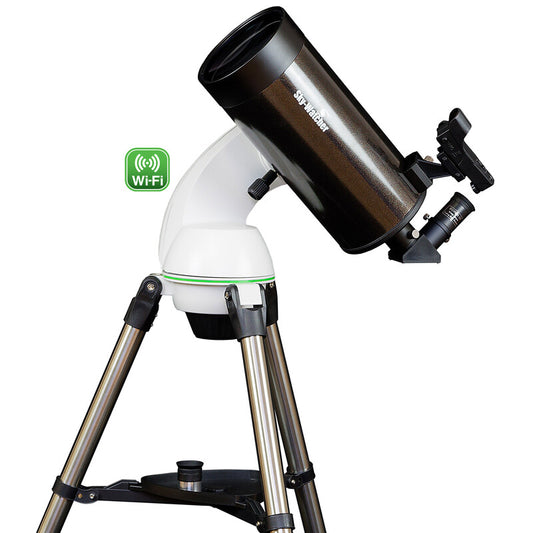
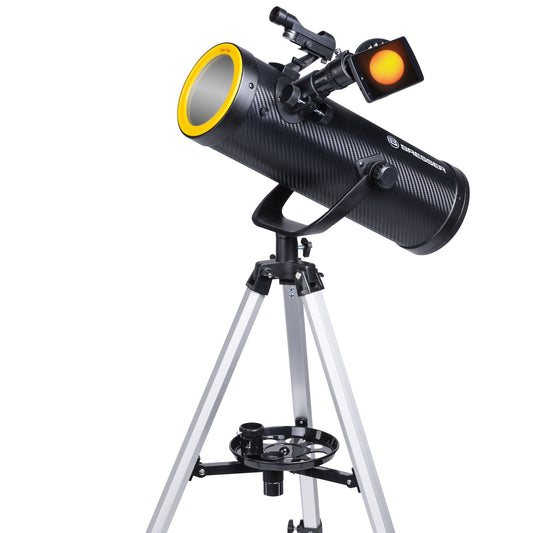
Telescope for observing the planets


The Planets at Dawn: Jupiter, Mars and Mercury
The early morning sky will also have its share of astronomical magic. Looking east at dawn, you'll be able to see Jupiter, the king of the planets, shining brightly on the horizon. Its large size and reflectivity make it an easy object to identify, even in the growing light.
Mars, although smaller and dimmer than Jupiter, will be close in the sky, but will gradually move further away as the month progresses. This makes the first days of September an ideal time to observe the "red planet" before it moves too far away.
Mercury, the planet closest to the Sun, will be visible low above the eastern horizon. Observing it is always a challenge due to its proximity to the Sun, but the reward is great for those who manage to locate it. On September 1, a waning crescent Moon will join Mercury in the sky, forming a celestial pair worth observing in the early hours of the day.
September 2024 will be a spectacular month for astronomy lovers. With Saturn dominating the evenings, Venus and the Moon putting on a show at dusk, and Jupiter, Mars, and Mercury shining in the pre-dawn hours, there will be plenty of opportunities to enjoy the night sky. Don't forget to prepare your binoculars or telescope , and be sure to find a location with little light pollution to make the most of these astronomical events. See you under the stars!
This article was prepared by Astro Telescopios , a store specializing in astronomical telescopes and nature observation equipment. With years of experience in the field of astronomy, Astro Telescopios is dedicated to bringing the cosmos closer to amateurs and professionals, offering not only high-quality products but also knowledge and advice for enjoying the night sky to the fullest.
Do you want to buy a telescope and need our advice? Send us a WhatsApp message or contact us through our customer service email .