
Astronomical calendar for February 2026
The most wintry month of the year gifts us with long nights and a sky full of special moments: conjunctions between the Moon and the planets, the best visibility of Jupiter, the shy appearance of Mercury at dusk, and an annular solar eclipse that sets the astronomical rhythm of the month. A perfect sky to enjoy calmly, observe, and be amazed.
🌕 February 1st
Full moon. The high lunar brightness limits the observation of deep-sky objects.
🌟 February 3rd
The Moon hides Regulus.
🔹 Complete obscuration visible from the Canary Islands.
🔹 From the southern peninsula, the star will graze the lunar edge.
🌑 February 17
New moon, the best time of the month to observe and photograph the deep sky.
Annular solar eclipse, visible only from a strip of Antarctica; partial and of very low magnitude from southern Africa and South America.
🌙 February 18
At nightfall, a very thin crescent moon is located between Venus and Mercury, very low on the western horizon.
🪐 February 19
The waxing moon enters into conjunction with Saturn, visible after sunset towards the west-southwest.
☿ Week of February 16-22
Best time of the month to observe Mercury at sunset, a clear western horizon is essential.
🌕 February 26
The waxing gibbous moon closely accompanies Jupiter, visible for practically the entire night in Gemini.
⭐ February 27
The Moon is in conjunction with Pollux, completing a prominent scene within the Winter Hexagon.
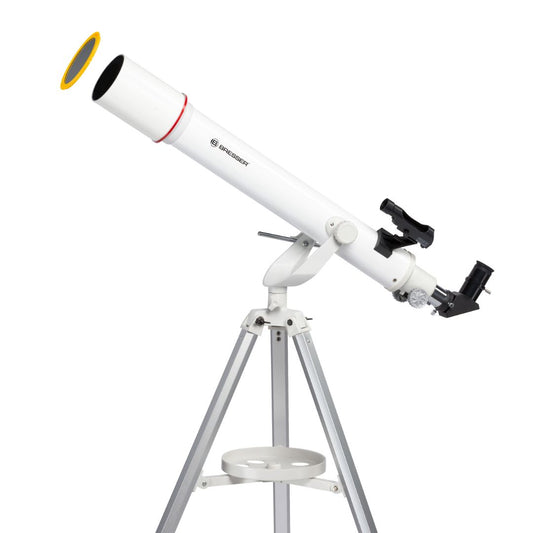
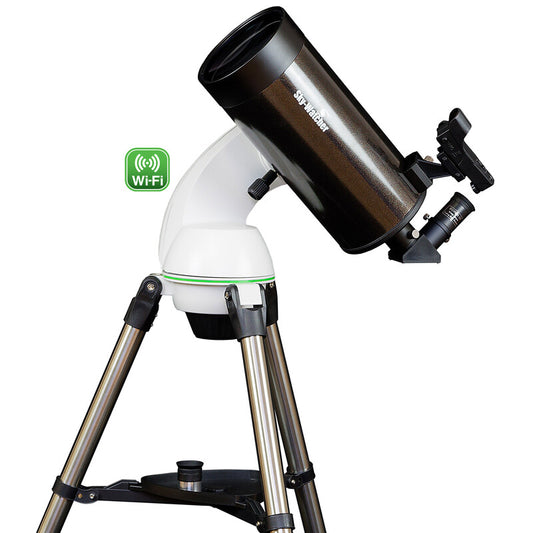
🔭 Astro Tip: February is ideal for planetary observation and winter constellations. A well-balanced telescope and medium-power eyepieces will make all the difference.