

ZWO
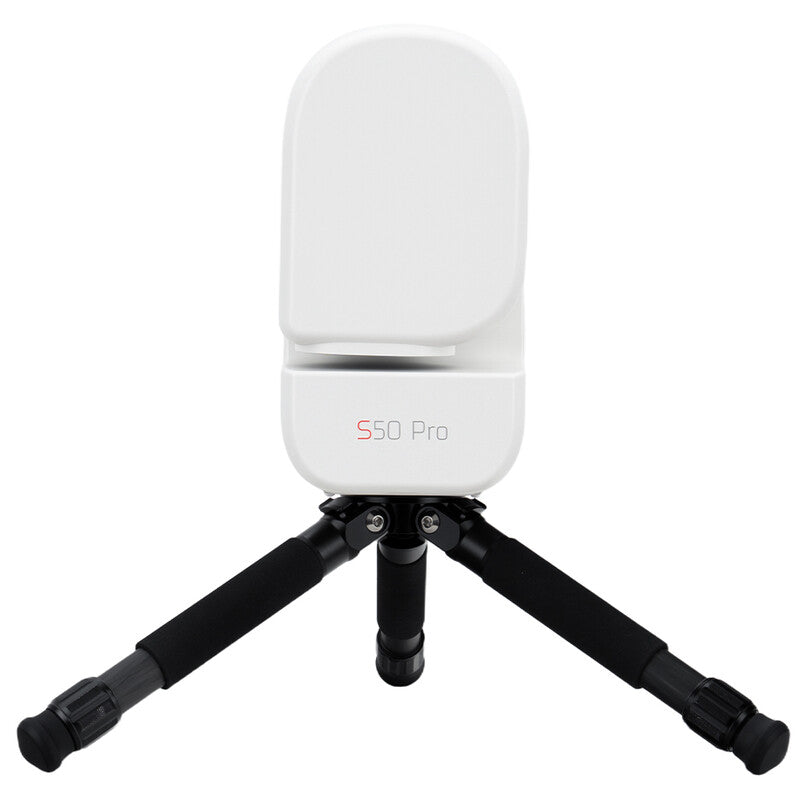
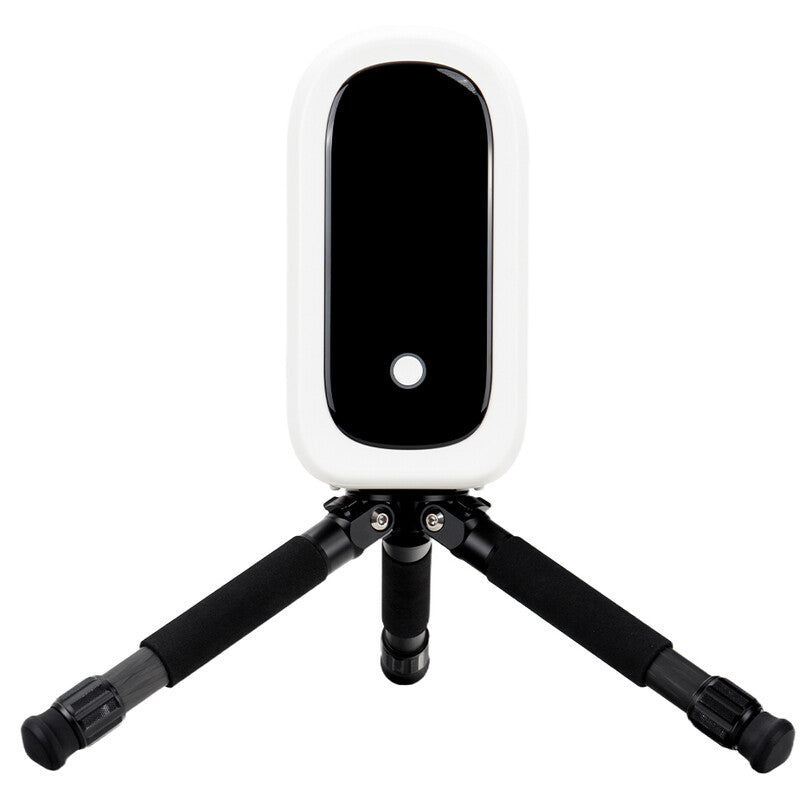
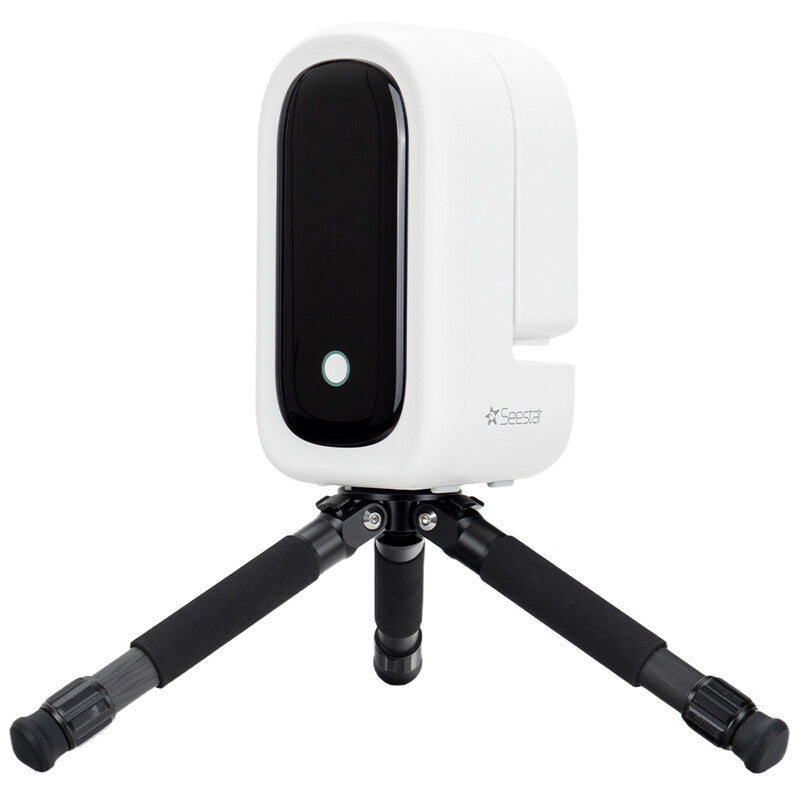
Seestar S50 Pro Smart Telescope
Seestar S50 Pro Smart Telescope
Couldn't load pickup availability
- SECURE PAYMENT
- AVAILABLE ON REQUEST
- ESTIMATED DELIVERY: 3 WEEKS
Everything about the Seestar S50 Pro Smart Telescope
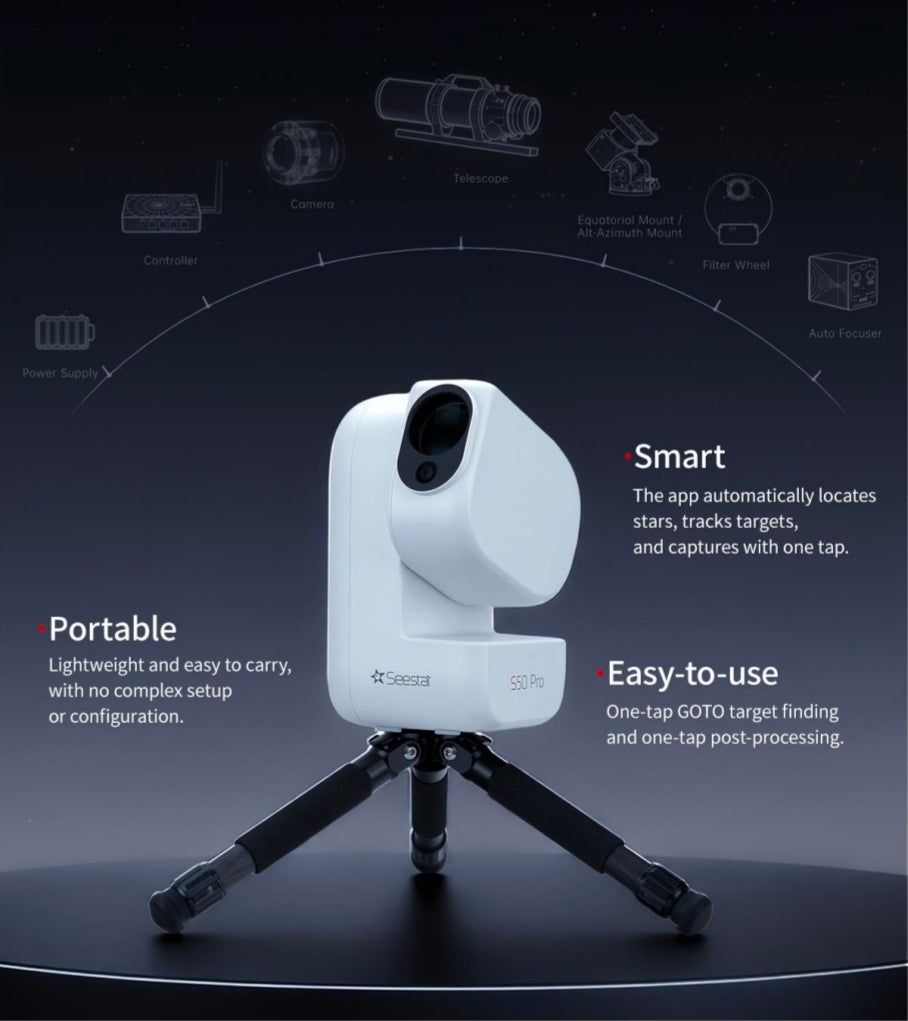
The Seestar S50 Pro represents a new generation of all-in-one smart telescopes, designed to make advanced astrophotography accessible to any enthusiast without the need to set up complex equipment. It integrates an apochromatic telescope, 4K cameras, motorized mount, tracking system, astronomical filters, battery, and storage into a single device, all conveniently controlled from the Seestar app.
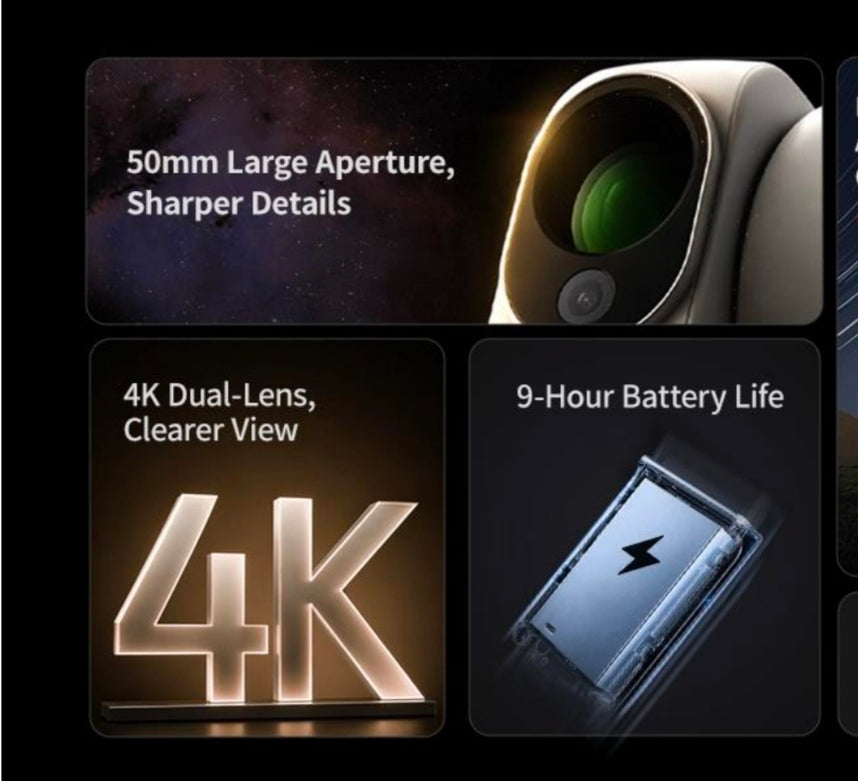
With an aperture of 50 mm, 4-element apochromatic optics with ED glass, and a new large-format 1/1.2" 8.3 MP sensor, the S50 Pro is ready to capture nebulae, galaxies, star clusters, the Moon, and the Sun with remarkable detail, while also offering new possibilities for photographing the Milky Way and large star fields.
Dual 4K Camera: Detail and Wide Field
One of the main new features of the Seestar S50 Pro is its dual 4K camera system.
The telephoto camera uses a 1/1.2-inch, 8.3 MP sensor with 2.9 μm pixels and a resolution of 2160 × 3840 pixels. It works with 50 mm aperture and 260 mm focal length optics (f/5.2), offering a field of view of approximately 2.8° in portrait orientation.
In addition to this camera, there is a second 8.3 MP wide-angle camera, also with a resolution of 2160 × 3840, equipped with a 3.4 mm aperture, 6 mm focal length, and f/1.75 lens. Its field of view reaches approximately 63°, allowing for the capture of large regions of the sky and Milky Way compositions.
In this way, the S50 Pro combines in a single instrument the ability to zoom in on deep-sky objects and wide-field astronomical photography.
4-Element Apochromatic Optics with ED Glass
The optical system incorporates a four-element apochromatic lens, including extra-low dispersion (ED) glass. This configuration is designed to minimize chromatic aberration and achieve sharper, rounder, and more defined stars while maintaining cleaner and more neutral sky backgrounds.
Its folded optical design allows these features to be integrated into a surprisingly compact and easily portable body.
Integrated Triple Filter System
The Seestar S50 Pro incorporates different filters directly into its optical system:
- UV/IR Cut filter, designed to block unwanted ultraviolet and infrared radiation.
- Dual-band light pollution filter, with OIII 30 nm and Hα 20 nm bands, especially useful for improving the contrast of certain emission nebulae under light-polluted skies.
- Dark Frame filter, used to reduce noise associated with long exposures.
This allows the capture system to automatically adapt to different situations without the need to install external filters for many common observations.
Deep-Sky Mosaics up to 8K
The DSO Mosaic Stitching feature allows for the creation of mosaics using the telephoto camera to considerably expand the photographed field without sacrificing the level of detail provided by its longer focal length.
The system automatically combines different captures and can generate images with a resolution of up to 8K, a feature that is especially interesting for large nebulae, extensive regions of the sky, the lunar surface, and other objects that exceed the telephoto camera's individual field of view.
Advanced Milky Way Photography
The wide-angle camera considerably expands the possibilities of the Seestar beyond traditional deep-sky astrophotography.
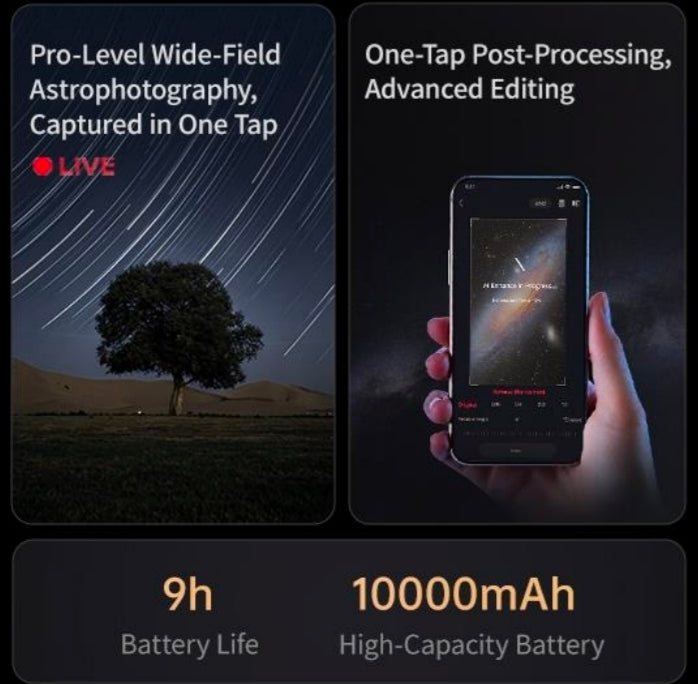
The Starry Sky Mode allows for different Milky Way compositions and mosaics, including vertical and horizontal formats and panoramas of up to 180°, with the ability to generate images with a resolution of up to 8K.
The S50 Pro can also detect and process the landscape and the sky independently. In this way, while tracking the stars, it can keep the terrestrial foreground defined, facilitating the creation of astro-landscapes with sharp stars and a clear landscape.
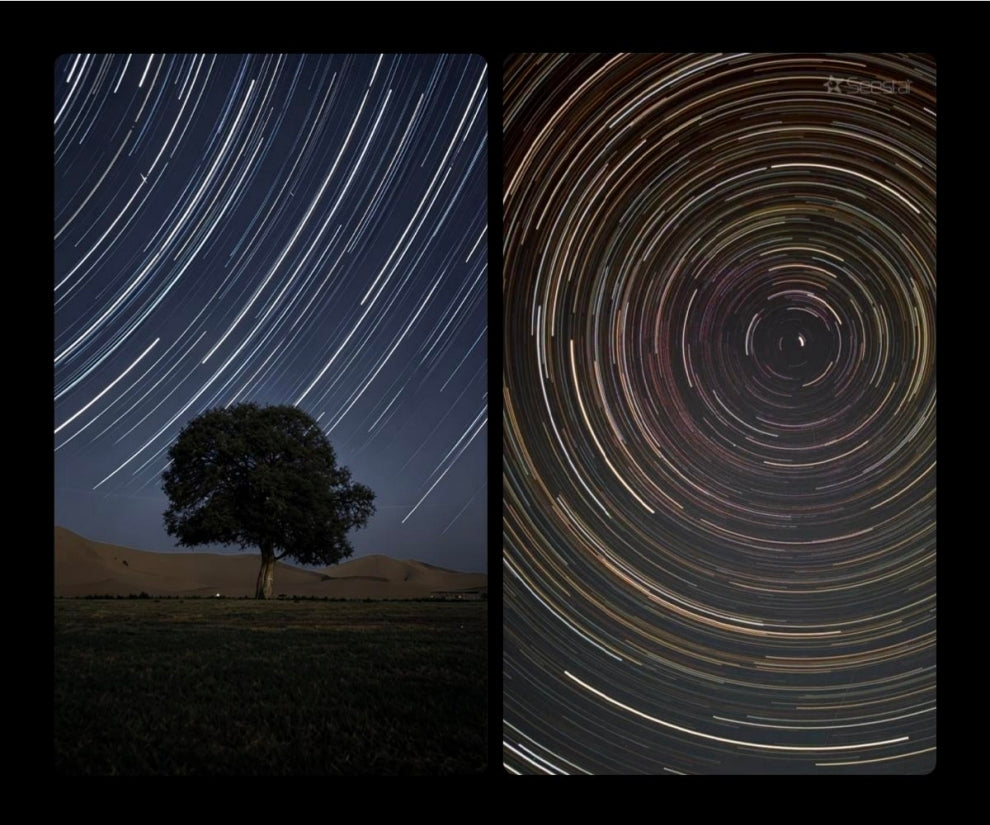
It also incorporates specific features for Star Trails and Astro Timelapse.
Automatic Location and Tracking
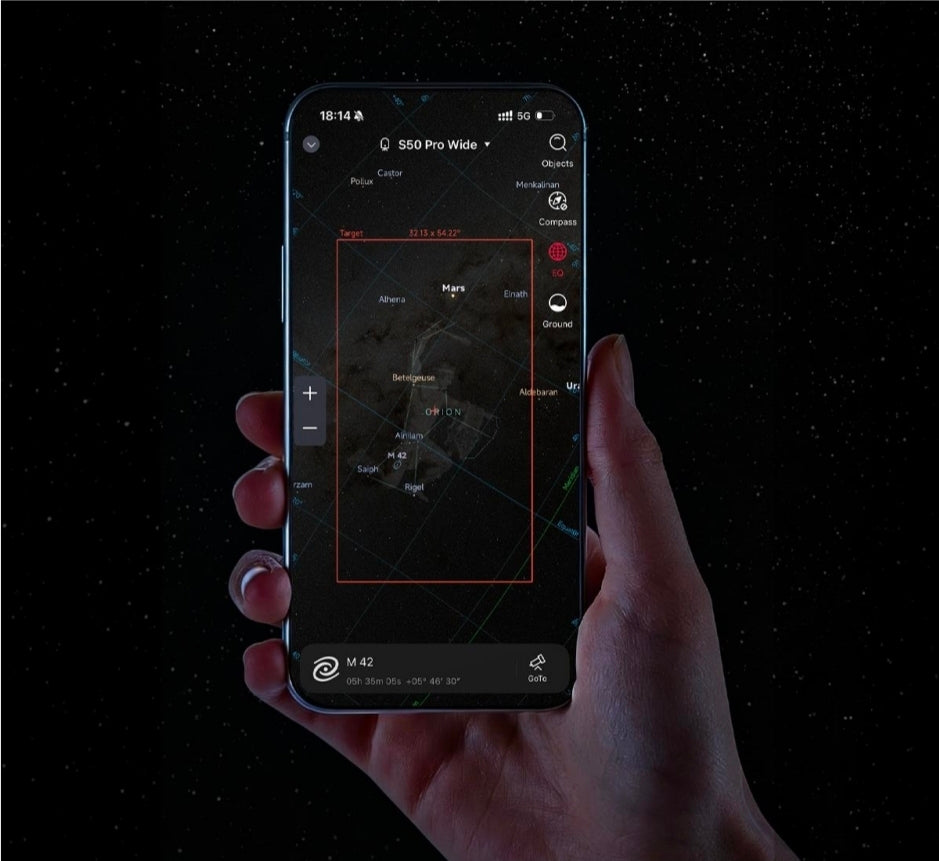
Select an astronomical object from the app, press GOTO, and the Seestar will locate, center, and track it.
Its database includes more than 80,000 deep-sky objects and more than 600,000 stars, greatly facilitating the exploration of the firmament even for users who are just taking their first steps in astronomy.
The system also features intelligent constellation recognition, displaying their lines and names and allowing you to subsequently move toward the selected objects.
Equatorial Mode
The Seestar S50 Pro supports operation in equatorial mode, compensating for the Earth's rotation during the tracking of astronomical objects.
Its precision drive system, designed with virtually zero mechanical backlash, combined with the equatorial mode allows for more stable tracking and longer exposures, increasing efficiency during astrophotography sessions.
Plan Mode: Automate an Entire Night of Observation
Plan Mode allows you to prepare an astrophotography session in advance and let the telescope do the work automatically.
You can set different objects and times so that the S50 Pro changes targets throughout the night, thus optimizing the time available under the stars.
A feature that is especially interesting for those who wish to perform prolonged and automated deep-sky sessions.
Image Processing Directly from the App
The S50 Pro incorporates one-tap automatic processing to quickly obtain a finished image.
For those who want more control over the result, the app offers advanced tools such as:
star reduction, star removal, cropping, brightness, contrast, noise reduction, and saturation, among other options.
In this way, it is possible to perform a large part of the capture and editing workflow directly from the Seestar ecosystem, without necessarily having to resort to external programs.
Solar, Lunar, and Terrestrial Observation
The Seestar S50 Pro is not limited to the deep sky. Its different modes allow it to be used to photograph:
- Nebulae, galaxies, and star clusters.
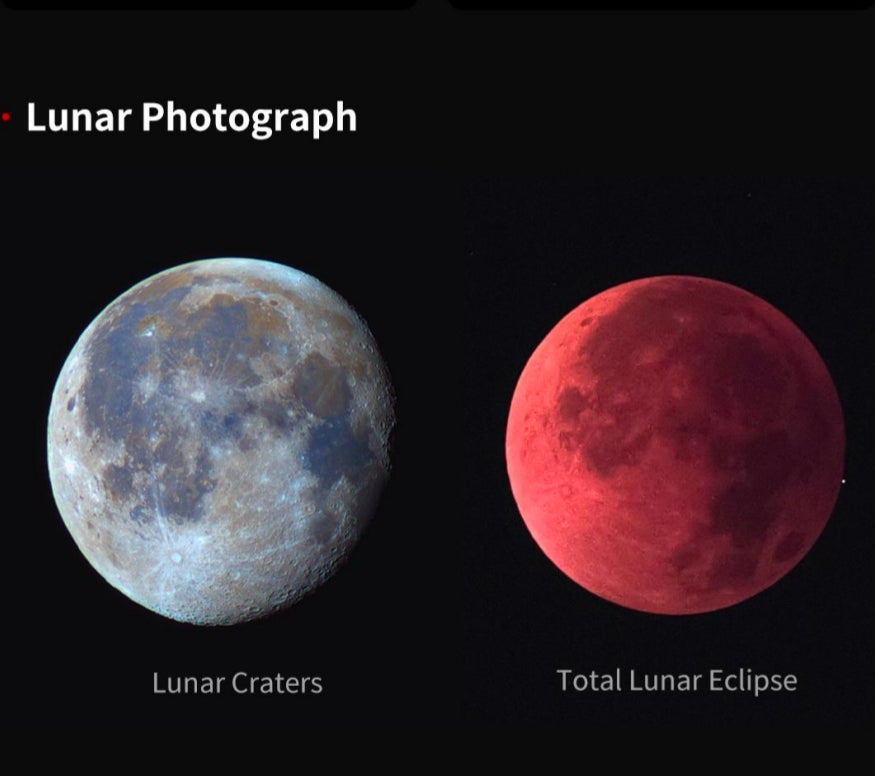
- The Moon and its main surface details.
- Sunspots and eclipses using the supplied solar filter.
- The Milky Way and large star fields.
- Terrestrial landscapes.
- Birds and distant objects.
- Events such as space launches.
Thus, it can function as both a portable astronomical observatory and a smart telephoto lens for daytime observation.
Up to 9 Hours of Battery Life
The internal battery has been increased to 10,000 mAh, providing an observation autonomy of up to 9 hours, according to the manufacturer's specifications.
It also features 128 GB of internal storage, doubling the capacity of the original Seestar S50 and providing enough space for prolonged sessions and higher-resolution files.
AI Assistant
The new artificial intelligence assistant is designed to help during the observation, capture, and handling of the telescope, as well as to provide information about celestial objects.
The user can indicate which object they wish to observe, and the system can search for it, perform the GOTO positioning, and start capturing it, further simplifying the observation process.
Remote Control and Open Platform
The Seestar S50 Pro incorporates remote control features, allowing you to connect to a device located elsewhere to observe, capture images, and organize files.
In addition, it takes a major step toward advanced astrophotography workflows thanks to its compatibility with the open ASCOM Alpaca protocol, which allows you to connect it with third-party astronomical software such as N.I.N.A.
This expands its possibilities beyond conventional operation via the Seestar app and allows you to integrate it into more advanced observation and automation setups.
Main Specifications
- Main aperture| 50 mm
- Focal length| 260 mm
- Focal ratio| f/5.2
- Optics| 4-element apochromatic with ED glass
- Telephoto sensor| 1/1.2", 8.3 MP, 2.9 μm
- Telephoto resolution| 2160 × 3840 px
- Telephoto field of view| 2.8° vertical
- Telephoto equivalent focal length| 880 mm
- Wide-angle camera| 1/2", 8.3 MP
- Wide-angle resolution| 2160 × 3840 px
- Wide-angle optics| 3.4 mm, 6 mm, f/1.75
- Wide-angle field of view| 63° vertical
- Wide-angle equivalent focal length| 35 mm
- Filters| UV/IR Cut + dual-band OIII 30 nm / Hα 20 nm + Dark Frame
- Deep-sky mosaic| Yes, up to 8K
- Milky Way photography| Yes
- Equatorial mode| Yes
- NFC| Yes
- Storage| 128 GB
- Battery| 10,000 mAh
- Battery life| Up to 9 hours
- Telephoto minimum focus distance| 1.5 m
- Advanced compatibility| ASCOM Alpaca / N.I.N.A.
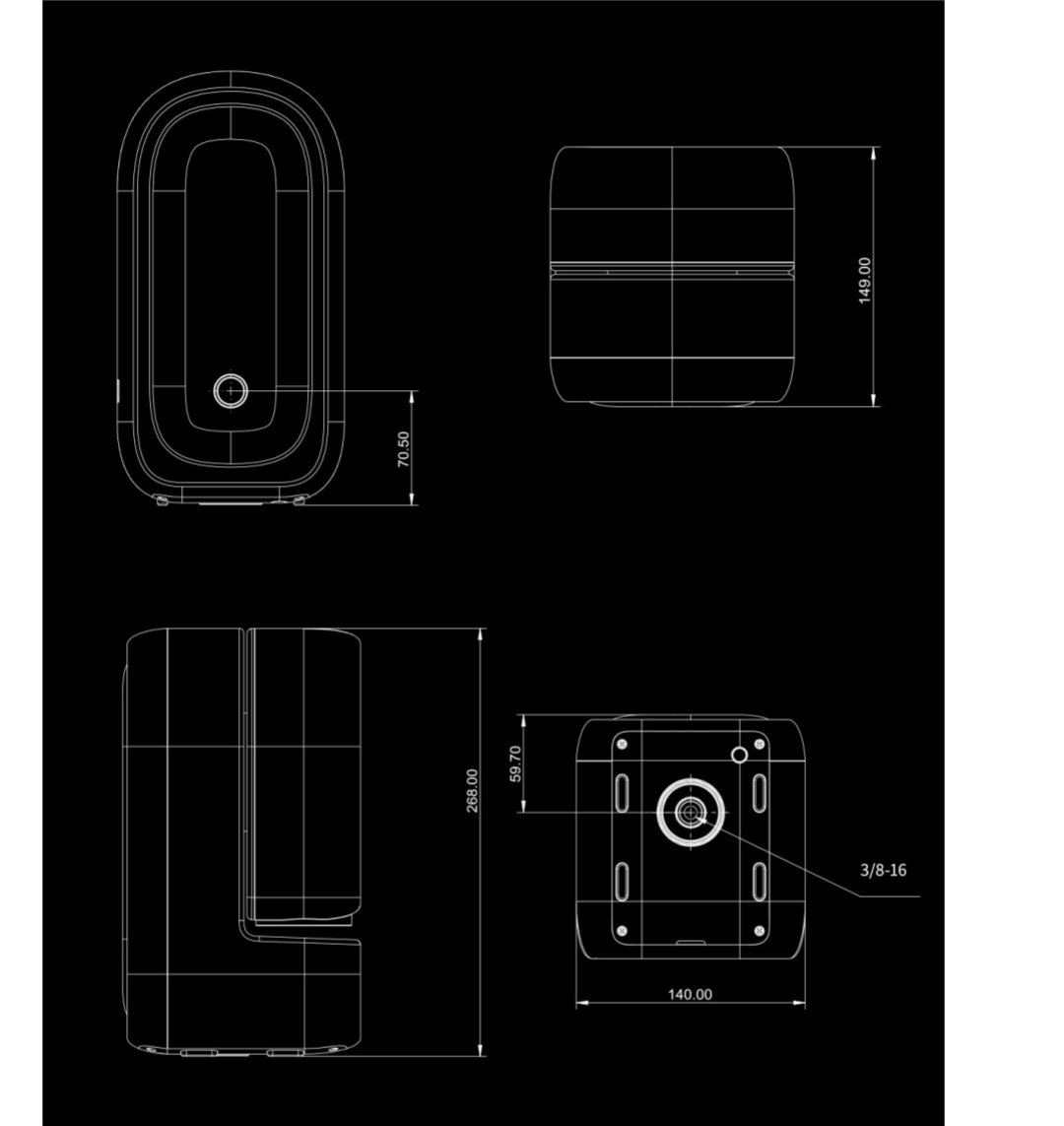
- Dimensions| 140 × 140 × 268 mm
- Weight| 2.8 kg
Box Contents
The Seestar S50 Pro comes with:
- Seestar S50 Pro Smart Telescope
- Tripod
- Protective cover
- Solar filter
- USB Type-C cable
- Quick Start Guide
- Safety Instructions
- Astronomy-themed stickers
Seestar S50 Pro: a more complete smart observatory
The Seestar S50 Pro maintains the philosophy that has made the Seestar family popular—ease of use, portability, and automated observation—but considerably expands its photographic possibilities.
The combination of 50 mm aperture, 8.3 MP main sensor, dual 4K camera, apochromatic optics with ED glass, mosaics up to 8K, Milky Way photography, equatorial mode, 10,000 mAh battery, and ASCOM Alpaca compatibility makes it a particularly versatile solution for both those starting out in astrophotography and users looking for a portable smart telescope with greater creative and automation possibilities.





⚠️ NOTAS DE ADVERTENCIA
GAFAS PARA LA OBSERVACIÓN DE ECLIPSE
- INSTRUCCIONES: Revise antes de cada uso. No utilice ni deseche si está dañado, rasgado, perforado o separado de alguna manera del marco. No lo use con otros dispositivos ópticos. No es un juguete. Los niños deben usarlo solo bajo la supervisión de un adulto. Limítese a 3 minutos de uso continuo, con interrupciones durante varias horas. No se mueva mientras usa este producto, no conduzca un vehículo ni opere maquinaria. No lo use si tiene un ojo enfermo o después de una operación ocular.
- ADVERTENCIA: Nunca mire directamente al sol sin protección ocular especial. Siempre use gafas de eclipse al observar el eclipse solar, especialmente si una parte del sol es visible. Mirar directamente al sol puede causar daños permanentes si no se toman las precauciones adecuadas. Se debe usar protección ocular adecuada, diseñada específicamente para la observación solar, para evitar que los rayos dañinos del sol lleguen a los ojos. Deséchelo después de 3 años y no lo utilice después de ese tiempo.
OBSERVACIÓN SOLAR CON TELESCOPIO
- Nunca mire al sol a través de un ocular/telescopio sin un filtro de protección verificado. Un filtro lunar nunca puede usarse para la observación solar. El filtro lunar solo es adecuado para la observación de la luna. El filtro solar debe montarse en la apertura del telescopio, no en el ocular. De lo contrario, el rayo de luz concentrado por la óptica destruirá inmediatamente la película del filtro, lo que provocará daños oculares graves e incluso ceguera total.
- Revise el filtro solar antes de cada observación solar y asegúrese de que no esté dañado. Manténgalo frente a una fuente de luz intensa para poder detectar posibles grietas y/o agujeros. No use el telescopio para la observación solar, incluso si el filtro solar está solo ligeramente dañado. En este caso, comuníquese con el fabricante para obtener las piezas de repuesto correspondientes.
- Siempre use el filtro solar cuando observe el sol. Asegúrese de que este filtro esté colocado correctamente en el telescopio según las instrucciones. El uso del filtro solar está destinado únicamente para su uso con este telescopio.
- Revise el ajuste del filtro solar antes de cada observación solar. Si se suelta accidentalmente de la abertura del objetivo, esto puede causar daños oculares inmediatos y permanentes, e incluso ceguera.
- Si el filtro solar no puede montarse de manera suficientemente firme en el tubo, mejore el ajuste colocando varias tiras de fieltro autoadhesivas o similares entre el filtro solar y la abertura del objetivo. Nunca use el filtro solar si no puede colocarse correctamente en el telescopio. En tal caso, siempre contacte primero con nuestro servicio al cliente.
- Tenga mucho cuidado al observar el sol. Incluso una mirada corta a través de la óptica sin protección puede causar daños oculares graves e incluso ceguera total.
- Los niños, incluso con el filtro montado correctamente, no deben mirar al sol a través del telescopio. Nunca deje a los niños sin supervisión.
- Nunca deje la óptica sin supervisión. Los niños y los adultos inexpertos podrían dirigir el telescopio hacia el sol sin las precauciones adecuadas y perder la vista.
- No realice observaciones solares sin la consulta previa de un médico después de una operación ocular o cualquier otra enfermedad ocular.
- Las ondas/pliegues en la película son normales y no constituyen un defecto del producto.
- No exponga el dispositivo a altas temperaturas.
ADVERTENCIAS Y SEGURIDAD DE LAS PILAS
- NO USE pilas falsas en los productos. Use solo las pilas proporcionadas. Use la pila EXCLUSIVAMENTE para el propósito previsto.
- Guarde las pilas fuera del alcance de los niños y mascotas.
- NO USE pilas que parezcan tener la carcasa dañada, inflada o modificada. No use pilas que hayan goteado, huelan, estén hinchadas o derretidas o presenten abolladuras, óxido, grietas o rayones.
- La pila NO debe ser desmontada, aplastada, perforada, triturada ni manipulada de ninguna otra forma.
- La pila NO debe exponerse a líquidos.
- No debe intentar secar una pila mojada o húmeda con un dispositivo o fuente de calor.
- El dispositivo o la pila NO deben ser colocados cerca de una fuente de calor o bajo la luz solar directa.
- La pila NO debe tocar objetos metálicos.
- La pila NO debe ser almacenada junto a materiales peligrosos o inflamables. Guarde la pila en un lugar fresco, seco y bien ventilado.
- La pila NO debe insertarse incorrectamente al cargarla.
- La pila NO debe cargarse bajo luz solar directa ni a temperaturas extremas. Cárguela a temperatura ambiente (20 °C – 26 °C).
- Evite dejar caer la pila o el producto. Si sospecha que la pila está dañada, reemplácela.
- Nunca deje su dispositivo conectado a la corriente más de 24 horas. Deje que la pila se agote y luego recárguela.
- Para obtener los mejores resultados, reemplace las pilas según el uso después de 12 meses o antes.
- Siga las regulaciones locales para la eliminación de las pilas usadas. NO arroje la pila al fuego ni al agua.
Telescope accessories
-

Astronomy cameras
Astronomy cameras , specially designed to capture images from space, offer several...
-

Alignment Accessories
Collimation is the exact orientation of the optics within a telescope. It...


