
Astronomical calendar for November 2025
November arrives brimming with astronomical wonders you won't want to miss. From a spectacular supermoon to meteor showers and the best night of the month for deep-sky observing, this is the perfect month to get out your telescope, binoculars, or even enjoy the view with the naked eye.
Below are the 10 most important events to watch this month and some tips to make the most of them.
November 1–2: Mercury reaches its maximum altitude

The smallest planet closest to the Sun will be more visible than ever in the evening sky. If you have a clear horizon, you'll be able to spot it just after sunset.
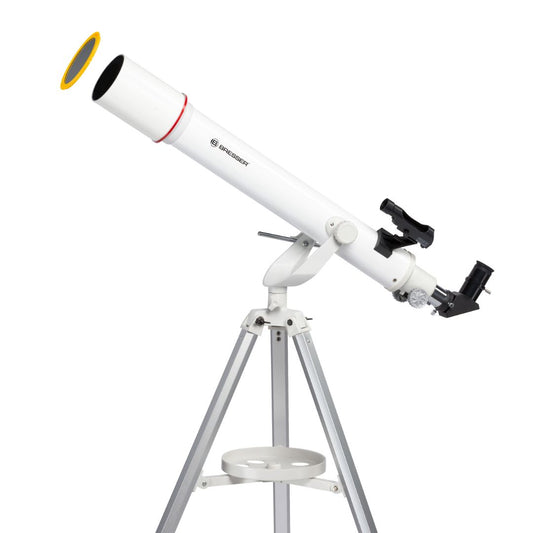
🔭 Recommended: Use binoculars or a compact refractor telescope to distinguish its brightness among the sunlight.
November 4–5: Southern Taurid meteor shower
This meteor shower produces few shooting stars per hour, but they are very bright, known as "fireballs." This year promises truly spectacular displays.
✨ Tip: Get away from city lights and look east or south on a clear day.
November 4–5: Super Beaver Moon
The biggest and brightest full moon of the year will illuminate the sky. It coincides with its perigee, the point in its orbit closest to Earth, making it appear up to 14% larger.
📸 Ideal for: Lunar photography with telescopes equipped with adapters or astronomical cameras.
November 6: Meeting of the Moon and the Pleiades

The famous star cluster M45, or "The Seven Sisters," will appear visually close to the Moon. It will be a magnificent sight for those who enjoy stargazing with binoculars or wide-field telescopes.
⭐ Suggestion: Use a low-power eyepiece to frame both jewels in the same image.
November 11–12: Northern Taurid meteor shower
Another rendezvous with the dust from Comet Encke. As it overlaps with the Southern Taurids, the chances of seeing bright meteors increase considerably.
November 17–18: Peak of the Leonids
One of the most famous meteor showers. In 2025, it will offer up to 15 meteors per hour under dark skies, favored by a 9% waning moon.
💡 Recommended: Enjoy it with the naked eye from a place away from light pollution.

November 20: Micro New Moon
The Moon will be at its apogee, completely dark. It's the best night of the month to observe star clusters, nebulae, and galaxies.
🔭 Ideal equipment: Medium aperture reflector telescopes (150–200 mm) and wide field eyepieces.
November 21: Uranus in opposition
Uranus will be opposite the Sun, displaying its maximum brightness for the year. Although faint, it can be seen with binoculars or a small telescope as a blue-green dot in Aries.
🔵 Tip: Use soft color filters to enhance your signature tone.
November 27: The Hyades star cluster
The closest open cluster to Earth will form a bright "V" in Taurus. Observe it alongside Aldebaran for one of the most beautiful views of the winter sky.
🌠 Recommended instruments: 10x50 binoculars or wide field telescopes.
Throughout November: Return of the winter constellations
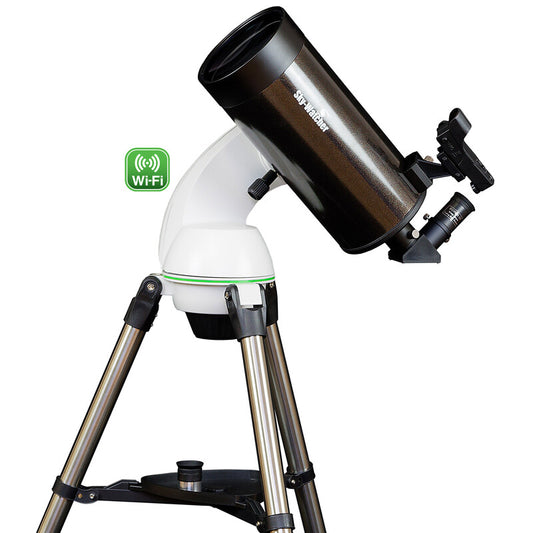
Orion, Taurus, and Gemini dominate the cold nights. Perfect for getting started in stargazing and practicing with automated telescopes or equatorial mounts.
Prepare your equipment for November's astronomical events
Don't let these phenomena catch you off guard without the right equipment. At Astro Telescopes you'll find:
- Telescopes for beginners and experts
- Lunar and solar filters
- Astronomical binoculars
- Cameras and adapters for astrophotography
✨ This month, contemplate the universe like never before and experience the excitement of every celestial event from your own observatory.