

Levenhuk
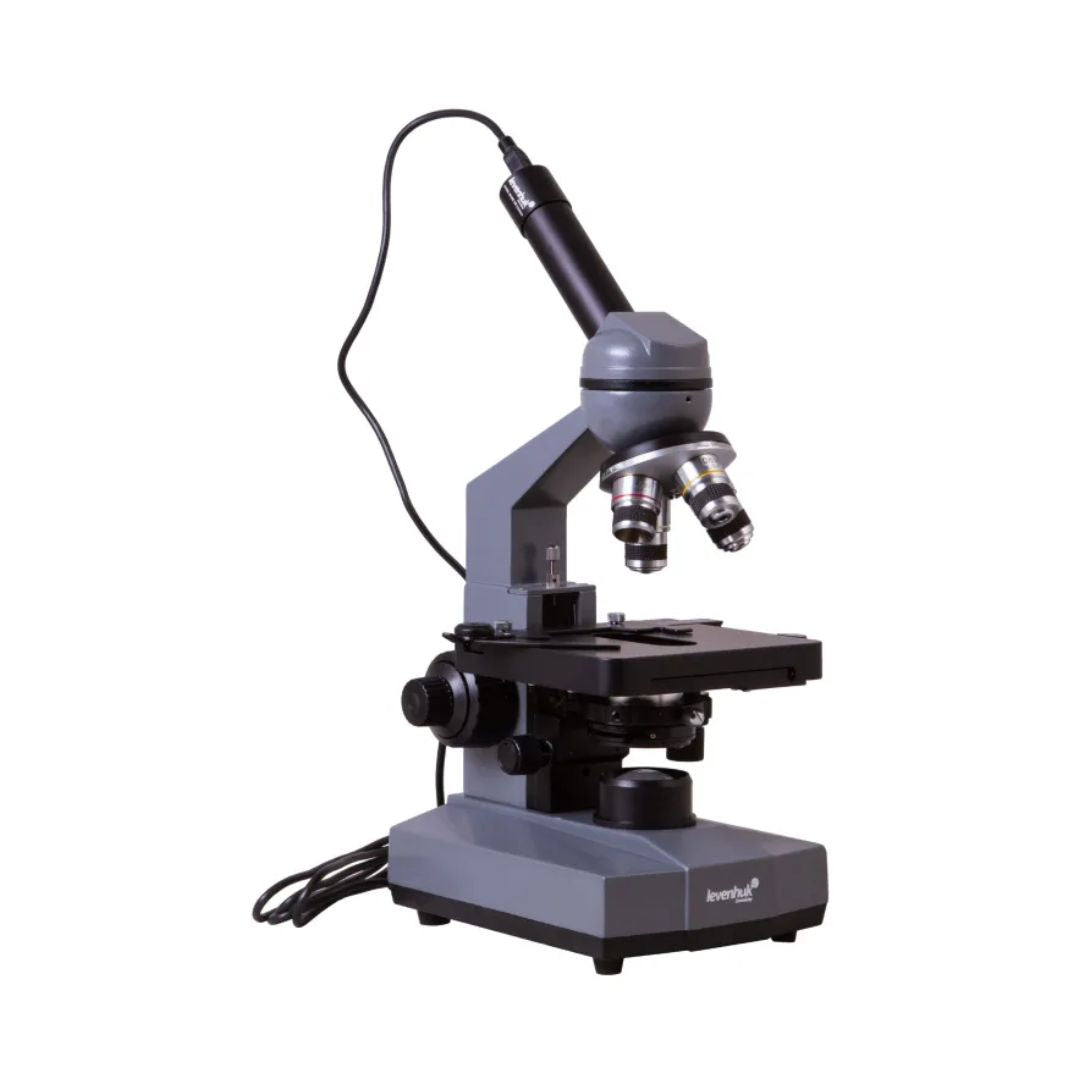
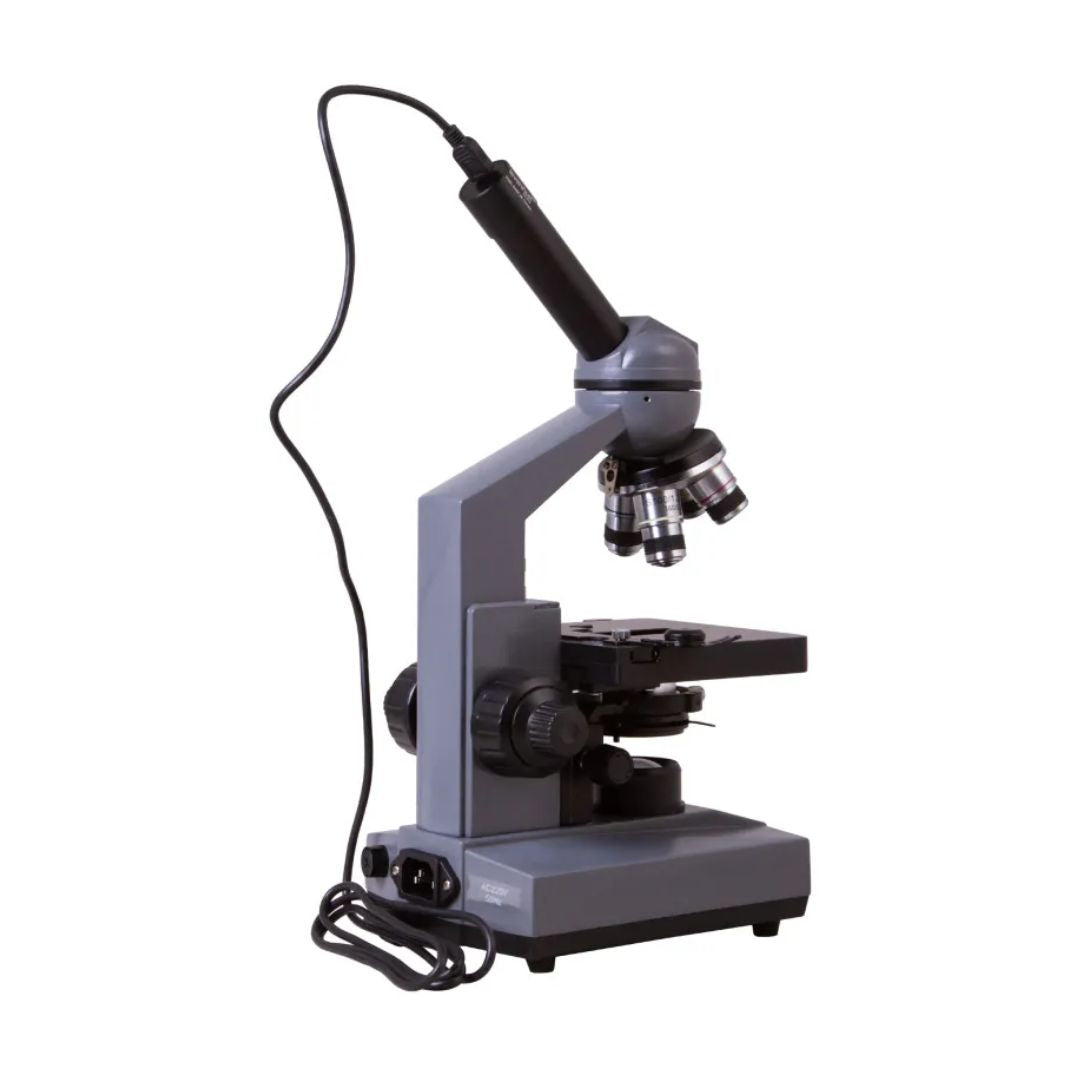
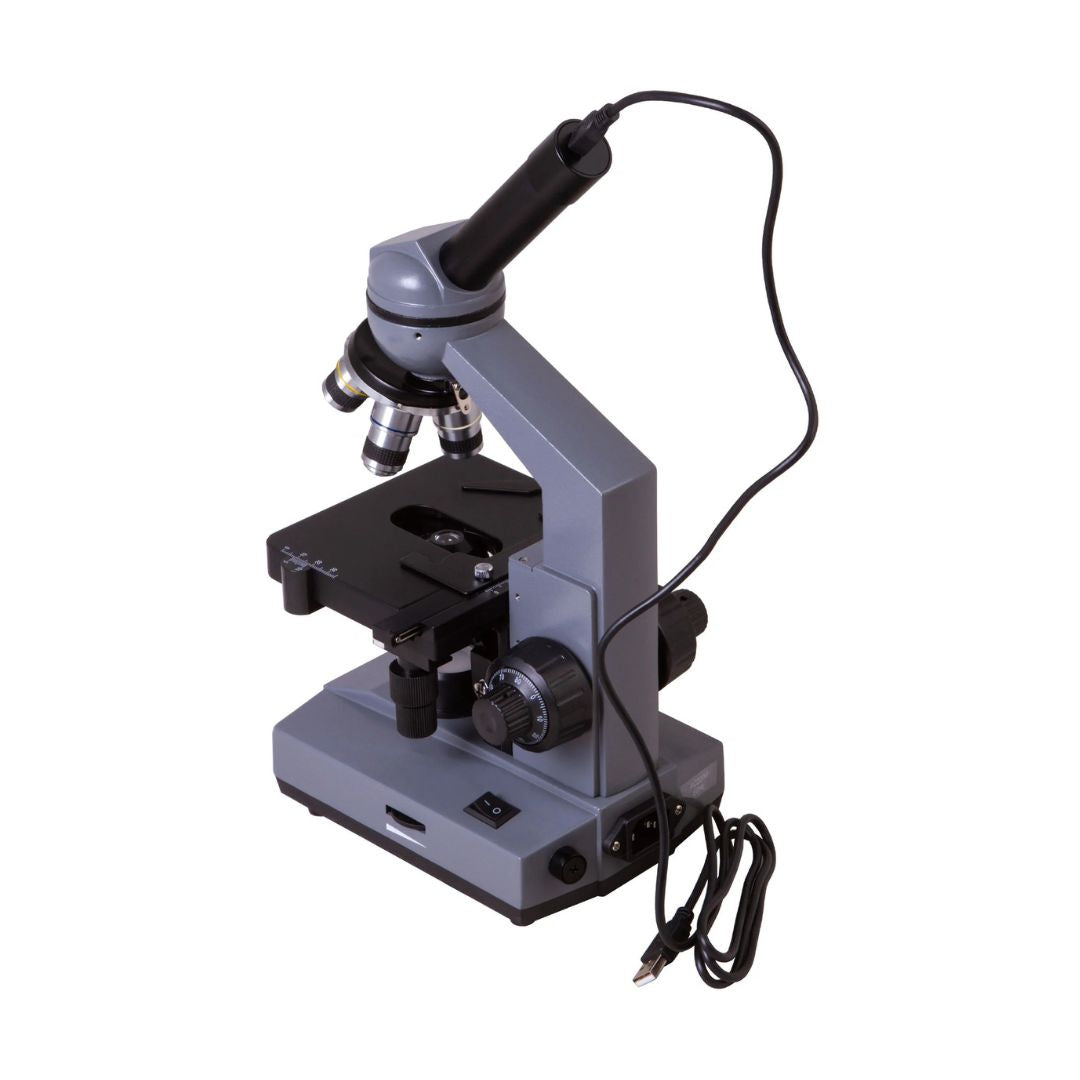
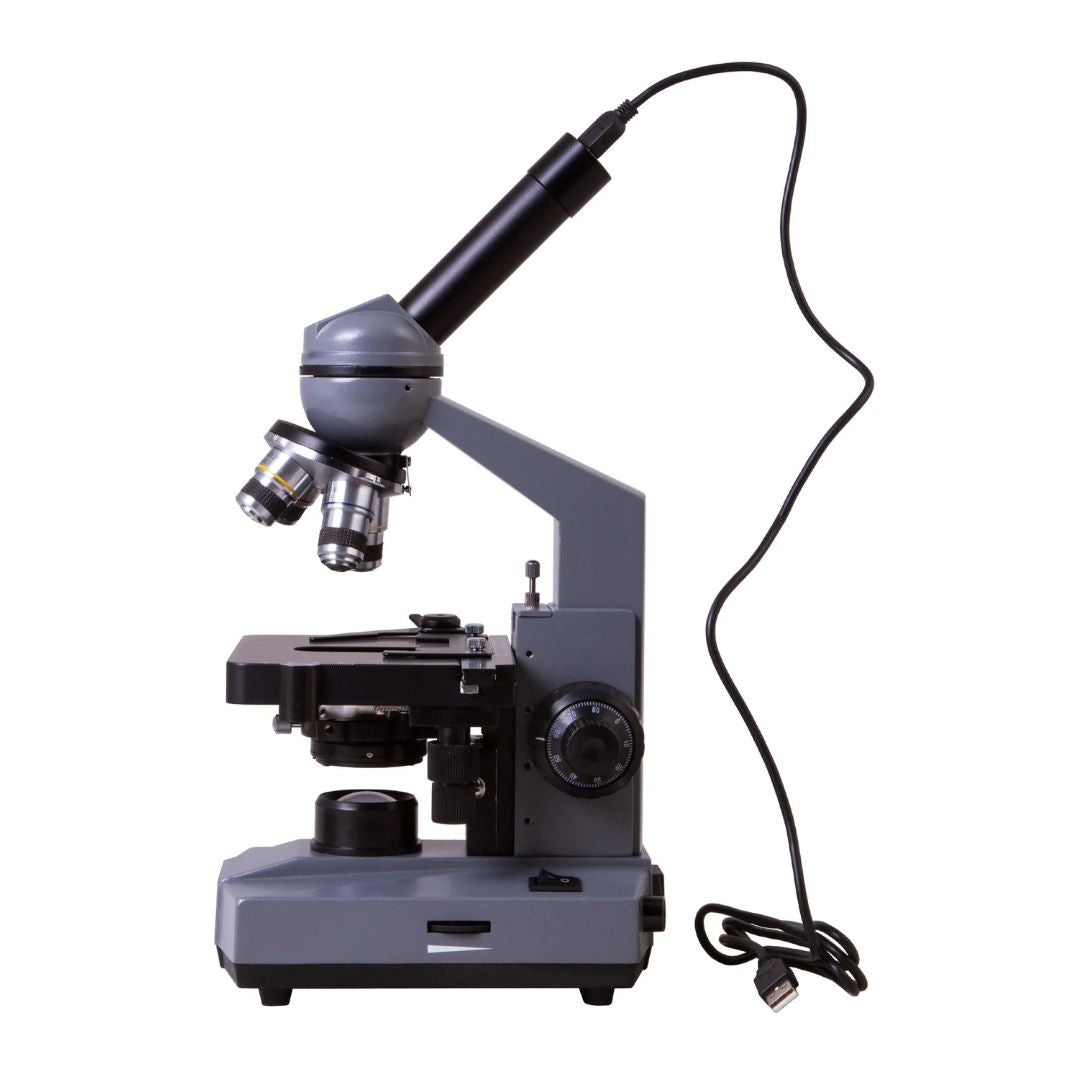
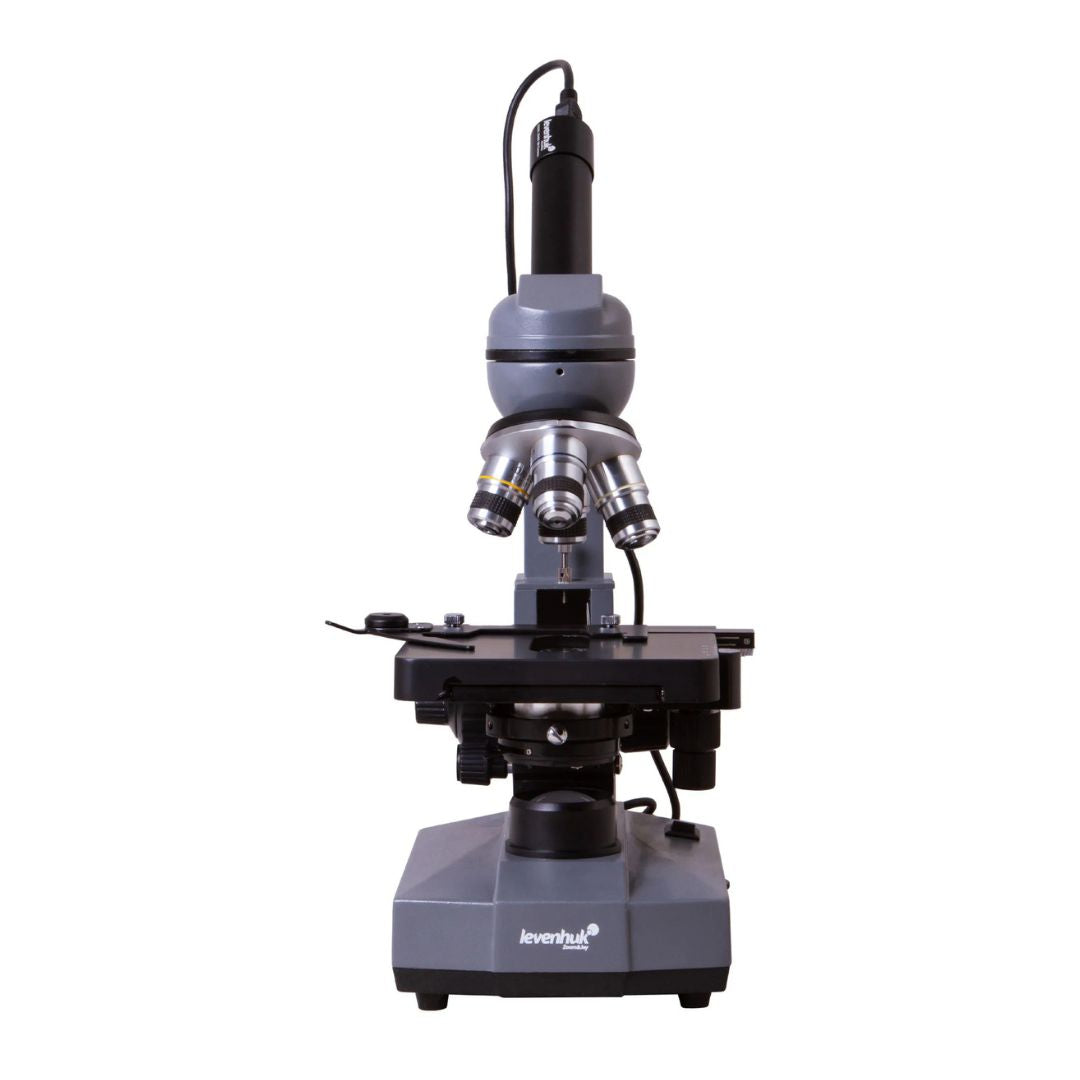
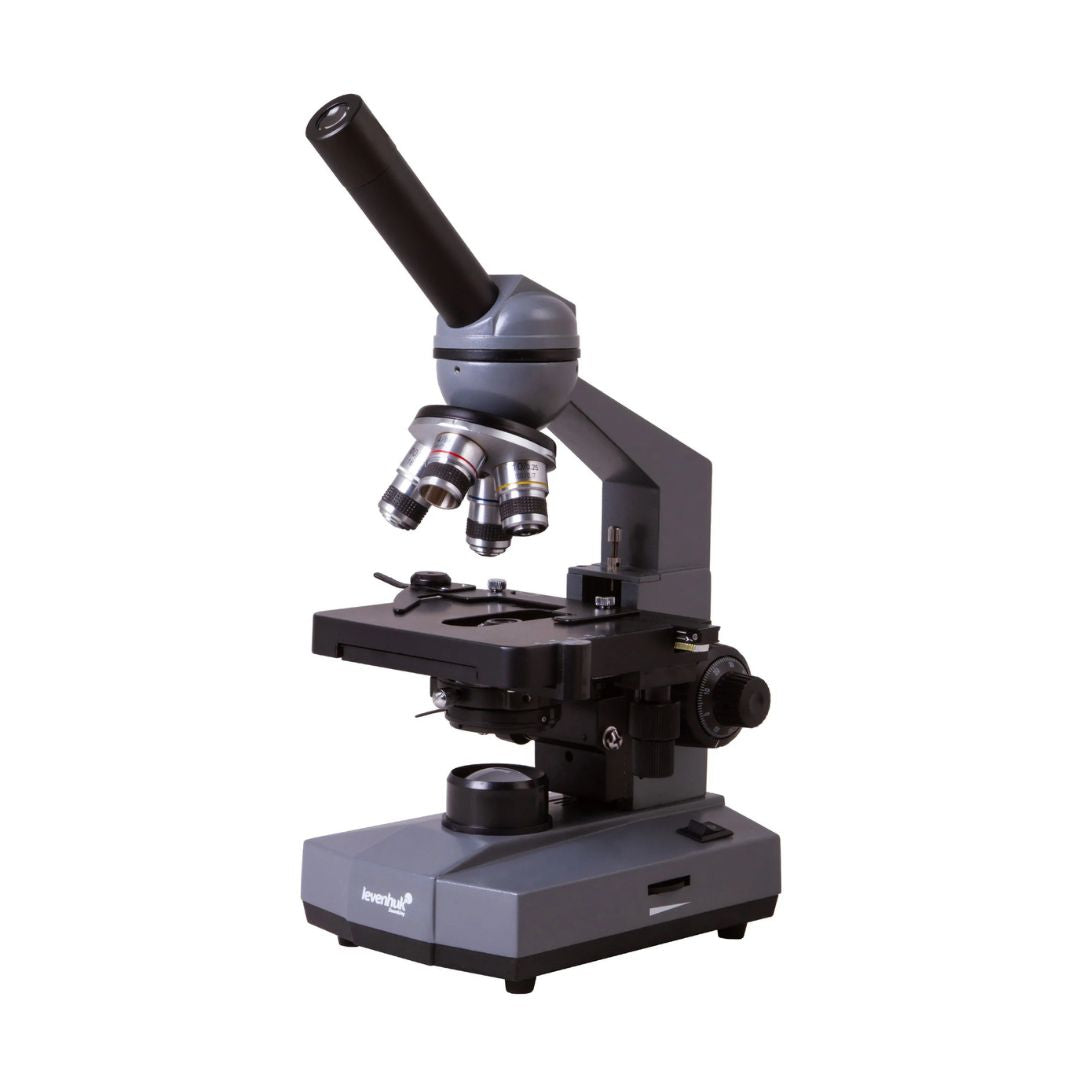
Levenhuk D320L BASE 3M Digital Monocular Microscope
Levenhuk D320L BASE 3M Digital Monocular Microscope
🟢 In Stock
🚚 Estimated delivery in 5 days
Couldn't load pickup availability
The Levenhuk D320L BASE digital microscope is designed for laboratory research in the fields of medicine, biology, and biochemistry. It can be used for dermatological, urological, and other types of medical research. The capabilities of this microscope will be especially useful for specialists working in clinics, hospitals, and research laboratories. This microscope can also be used in seminars and for teaching purposes at universities for medical students.
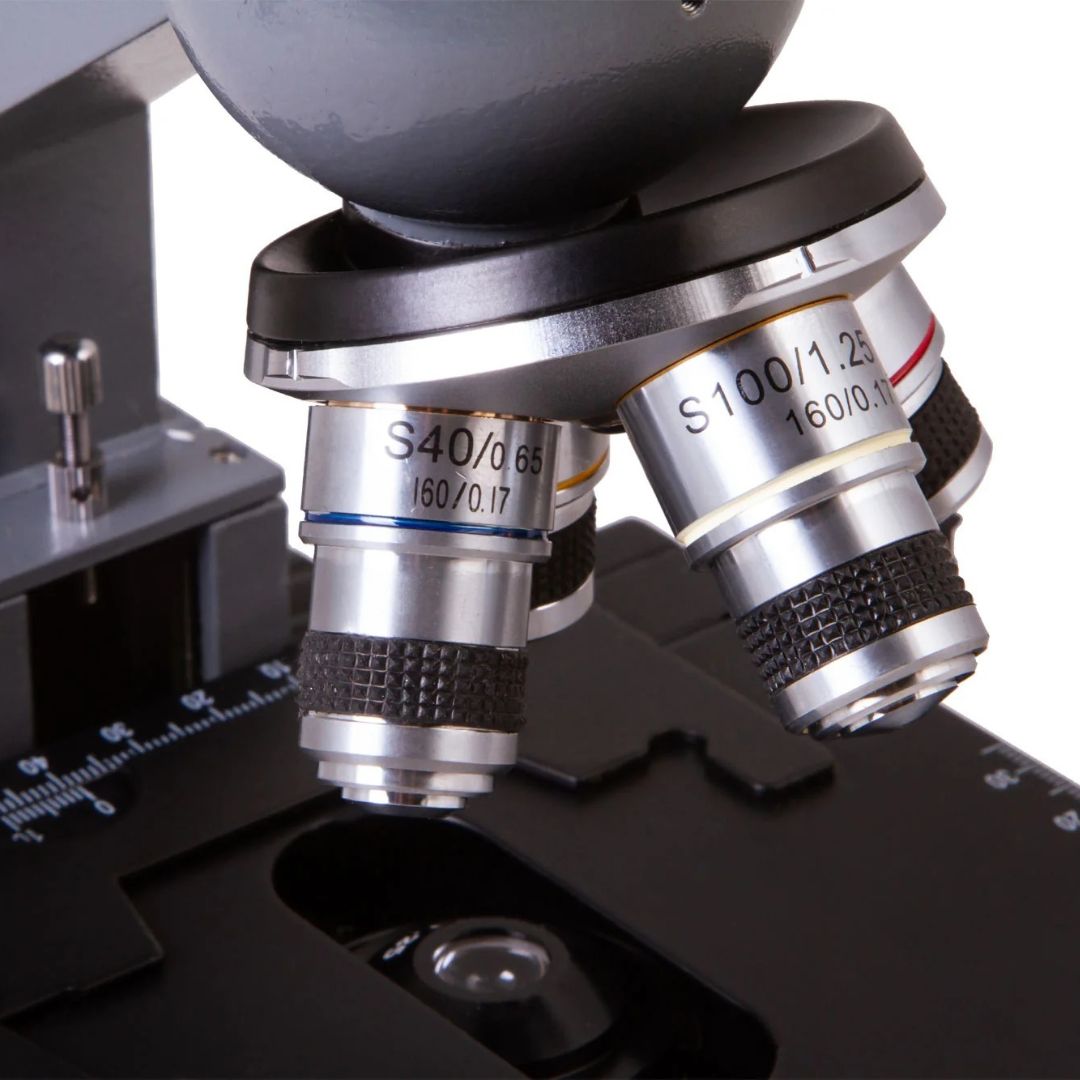
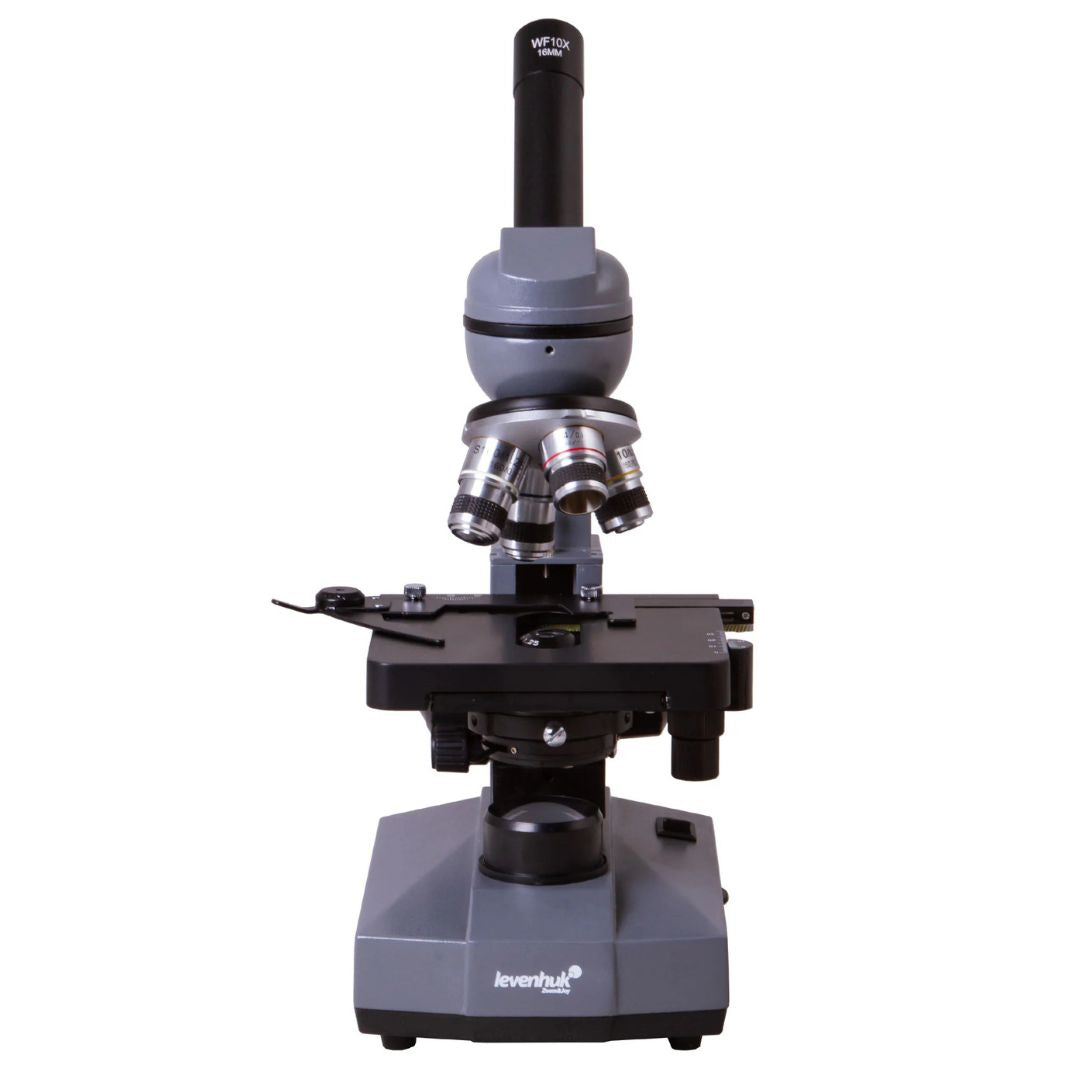
The microscope has a classic monocular head and a rotating nosepiece for four objectives. The kit includes a wide-angle eyepiece and achromatic objectives with varying magnifications. The head can be rotated 360°, allowing the microscope to be used for group observations. The microscope head has a 45° tilt angle, providing an additional level of comfort during extended microscopic observations.
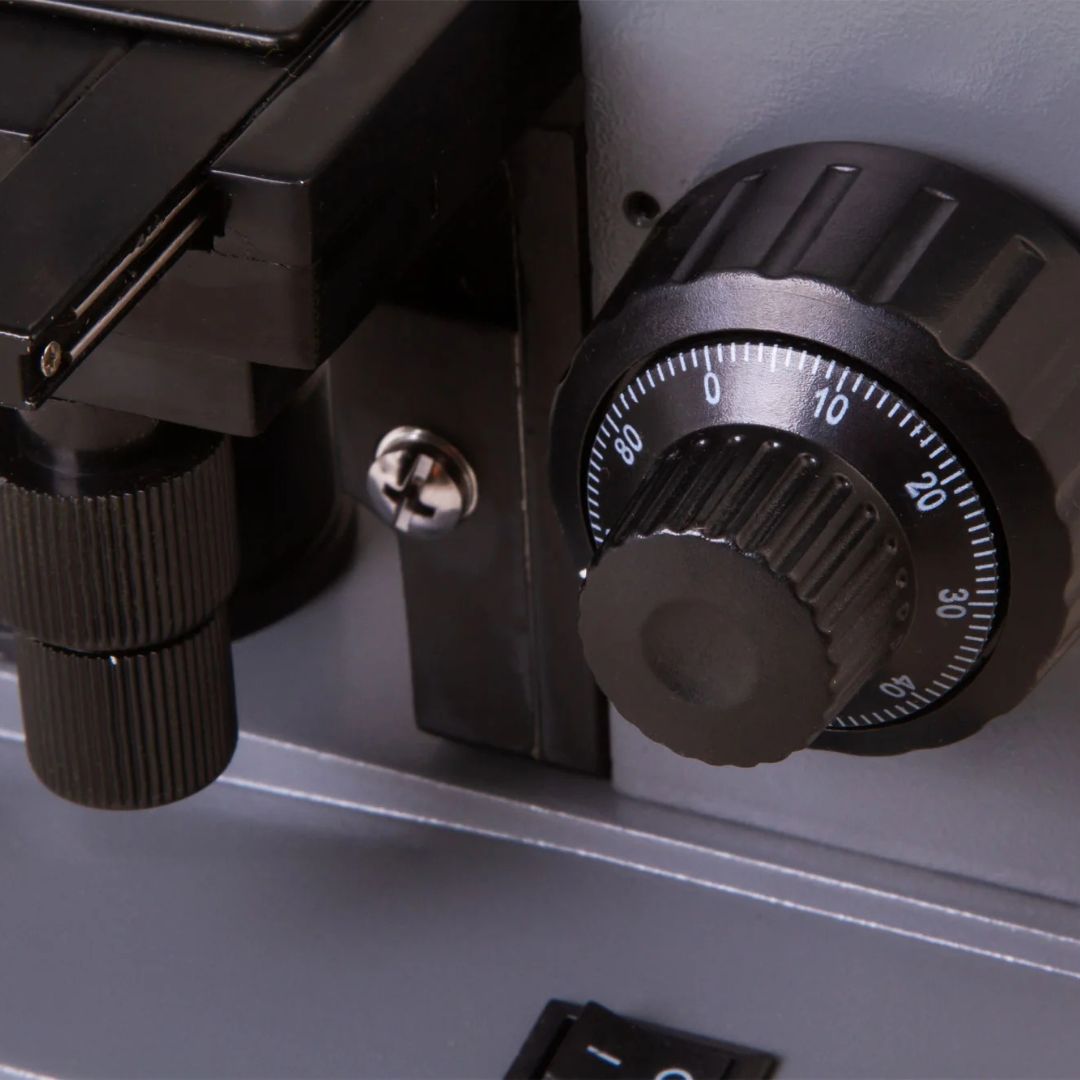
The microscope's magnification ranges from 40x to 1000x. The 100x objective can be used for oil immersion. A bottle of immersion oil is included in the kit. Image sharpness is adjusted using a coaxial coarse and fine focus adjustment mechanism.
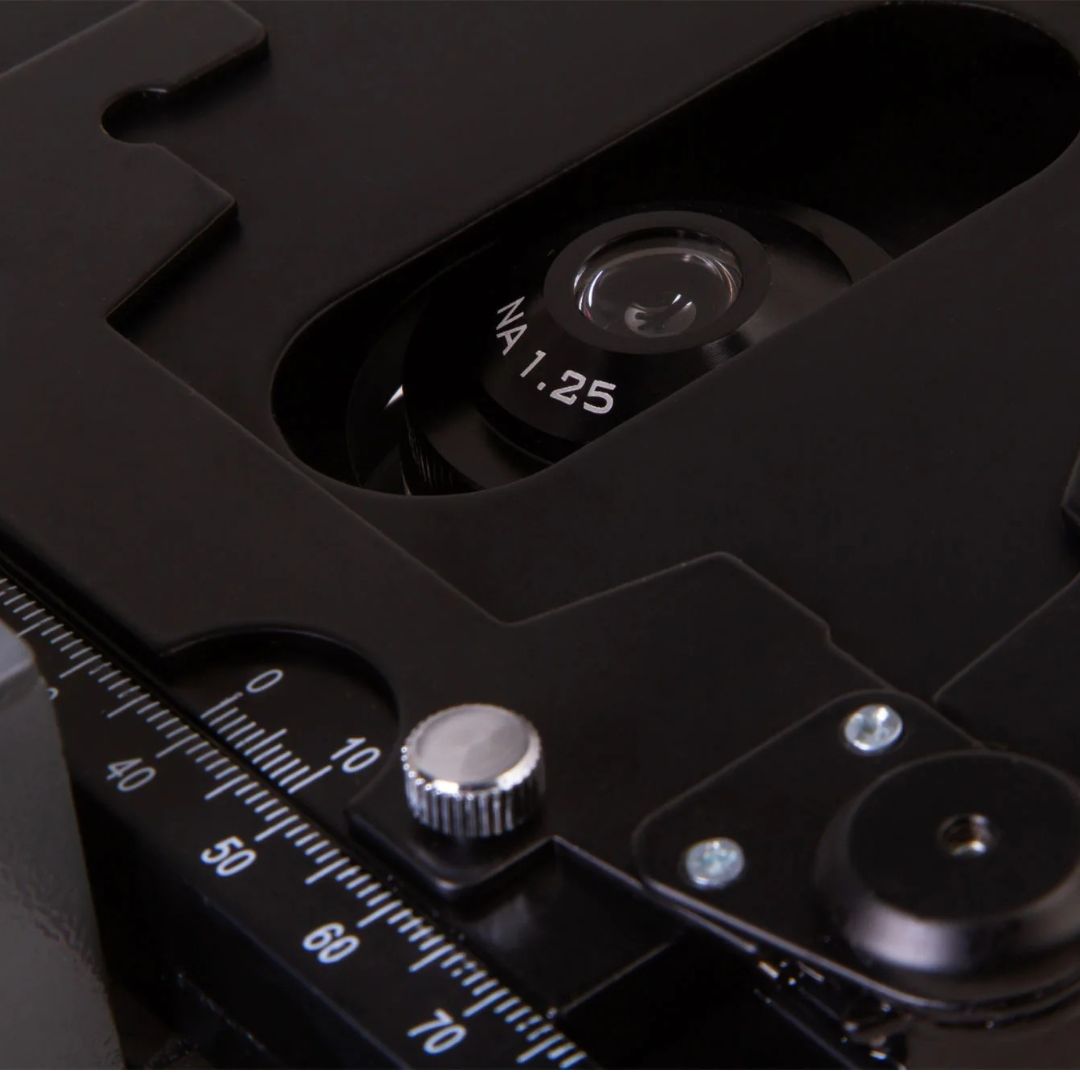
The samples are placed on a stage fitted with a mechanical micrometer. Beneath the stage is an Abbe condenser with an iris diaphragm. Halogen lighting is located beneath the condenser and is powered by alternating current. The illumination brightness is adjustable. Light filters can be installed.
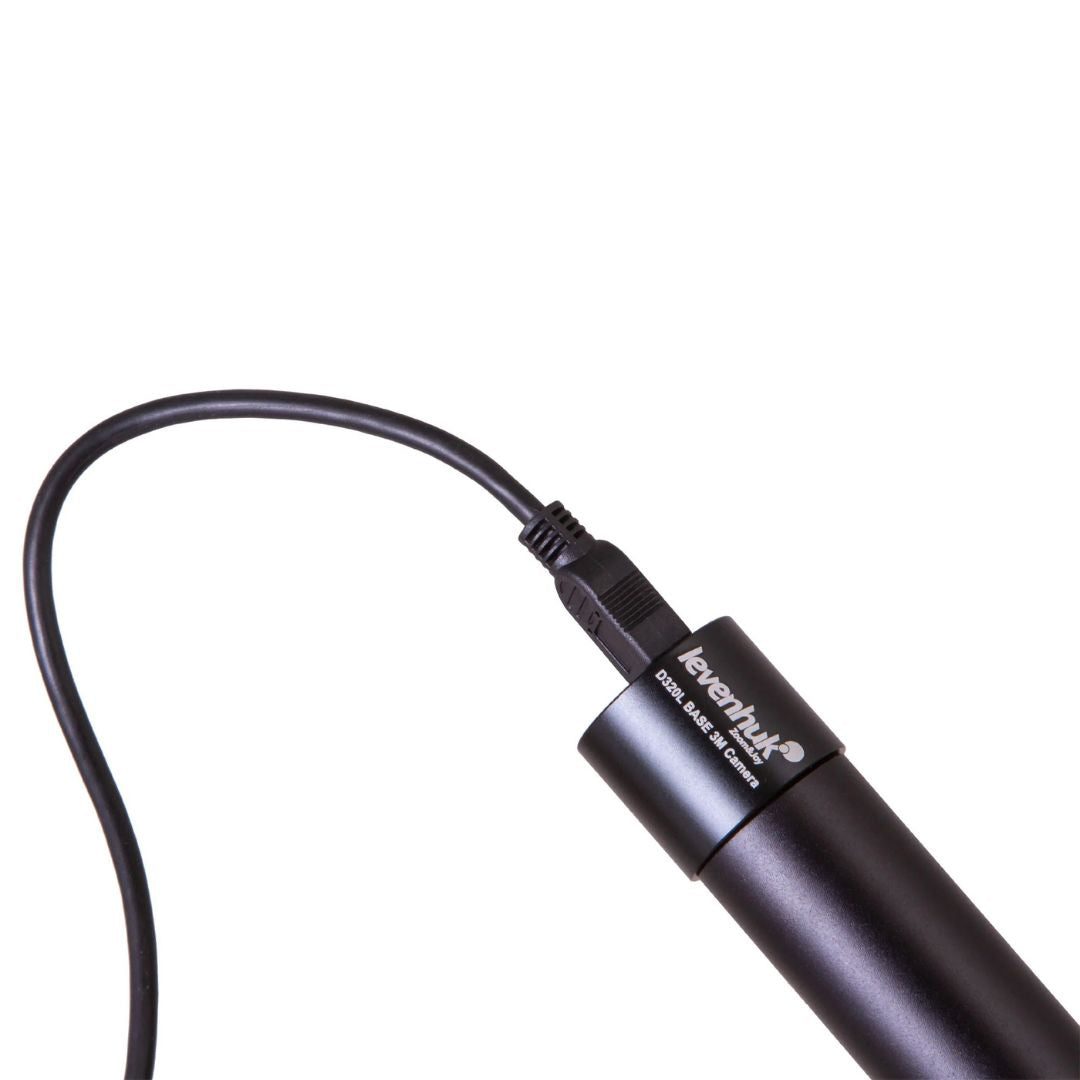
The main feature of the Levenhuk D320L BASE microscope is its 3-megapixel digital camera. The camera allows observations to be recorded as photos and videos. The camera is installed in the optical tube instead of the eyepiece and transmits images to a computer in real time via a USB cable, included in the kit. The image captured by the objective is transmitted to a computer screen at a resolution of 2048x1536. The kit includes a software CD for image processing.
Characteristics:
- Laboratory microscope with 3M digital camera
- Rotating monocular head, achromatic optics
- Magnification range: 40–1000x
- 20 watt halogen lighting with brightness adjustment
- Powered by alternating current supply
The kit includes:
- Microscope
- Achromatic objectives: 4x, 10x, 40x and 100x (oil immersion)
- WF10x wide-angle eyepiece
- Blue filter
- Bottle of immersion oil
- AC adapter
- Protective cover
- Digital camera
- USB cable for camera
- Software CD
- User manual and lifetime warranty
Caution: Remember that the voltage in the United States and Canada is 110V, and in most European countries it's 220–240V. Check the specifications table for the correct voltage and never plug a 110V device into a 220V outlet or vice versa without using an adapter.
Some of the things that can be seen under a microscope:


The Levenhuk D320L BASE microscope is compatible with Levenhuk digital cameras (sold separately). Levenhuk cameras mount onto the eyepiece tube instead of the eyepiece itself.
| Product ID | 73812 |
| Brand | Levenhuk, Inc., USA |
| Warranty | lifetime |
| EAN | 5905555004525 |
| Package size (LxWxH) | 39x25x21 cm |
| Shipping weight | 3.4 kg |
| Guy | biological, light/optical, digital |
| Head | monocular |
| Optical material | optical glass |
| Nozzle | 360° rotating |
| Head tilt angle | 45° |
| Magnification, x | 40 — 1000 |
| Eyepiece tube diameter, mm | 23.2 |
| Eyepieces | WF10x |
| Goals | Achromatic: 4x, 10x, 40xs, 100xs (oil immersion) |
| Revolver | for 4 objectives |
| Platina, mm | 110x125 |
| Stage travel range, mm | 58/25 |
| Platen | mechanical, two-layer |
| Condenser | Abbe NA 1.25 with iris diaphragm |
| Diaphragm | iris |
| Approach | coaxial, approximate (20 mm) and fine (0.02 mm) |
| Body | metal |
| Lightning | halogen |
| Adjusting the brightness | ✓ |
| Feeding | 220 V/50 Hz |
| Type of lighting source | 20 W |
| Light filters | blue |
| Additional | immersion oil included in the kit |
| User level | experienced users |
| Assembly and installation difficulty level | easy |
| Software language | Windows: Russian, English, French, German, Polish, Chinese, Turkish, Mac & Linux: English |
| Application | laboratory/medical |
| Lighting location | lower |
| Research method | bright field |
| Digital camera included | ✓ |
| Case/briefcase/bag included in the kit | protective cover |
| Image/video resolutions | 2048x1536 |
| Megapixels | 3 |
| Sensor element | 1/2.7" |
| Pixel size, µm | 2.2x2.2 |
| Video recording | Yeah |
| Photo format | *.jpg, *.bmp, *.png, *.tif and others |
| Video format | Output: *.wmv, *.avi, *.h264 (Windows 8 and later), *.h265 (Windows 10 and later) |
| Spectral interval, nm | 380-650 |
| White balance | manual, automatic |
| Exposure control | automatic |
| Speed | 3@2048x1536 5@1600x1200 7.5@1280x1024 |
| Place of use | eyepiece tube, instead of the eyepiece |
| Exposure method | ERS (Electronic Rolling Shutter) |
| Software, drivers | Levenhuk Lite |
| Programmable options | image size, brightness |
| Exit | USB 2.0 |
| System Requirements | Windows 8/10/11 (32-bit and 64-bit), Mac OS X, Linux, Intel Core 2 processor up to 2.8 GHz or faster, minimum 2 GB RAM, USB 2.0 port, CD-ROM |
| Power supply for camera | via USB cable |

⚠️ NOTAS DE ADVERTENCIA
GAFAS PARA LA OBSERVACIÓN DE ECLIPSE
- INSTRUCCIONES: Revise antes de cada uso. No utilice ni deseche si está dañado, rasgado, perforado o separado de alguna manera del marco. No lo use con otros dispositivos ópticos. No es un juguete. Los niños deben usarlo solo bajo la supervisión de un adulto. Limítese a 3 minutos de uso continuo, con interrupciones durante varias horas. No se mueva mientras usa este producto, no conduzca un vehículo ni opere maquinaria. No lo use si tiene un ojo enfermo o después de una operación ocular.
- ADVERTENCIA: Nunca mire directamente al sol sin protección ocular especial. Siempre use gafas de eclipse al observar el eclipse solar, especialmente si una parte del sol es visible. Mirar directamente al sol puede causar daños permanentes si no se toman las precauciones adecuadas. Se debe usar protección ocular adecuada, diseñada específicamente para la observación solar, para evitar que los rayos dañinos del sol lleguen a los ojos. Deséchelo después de 3 años y no lo utilice después de ese tiempo.
OBSERVACIÓN SOLAR CON TELESCOPIO
- Nunca mire al sol a través de un ocular/telescopio sin un filtro de protección verificado. Un filtro lunar nunca puede usarse para la observación solar. El filtro lunar solo es adecuado para la observación de la luna. El filtro solar debe montarse en la apertura del telescopio, no en el ocular. De lo contrario, el rayo de luz concentrado por la óptica destruirá inmediatamente la película del filtro, lo que provocará daños oculares graves e incluso ceguera total.
- Revise el filtro solar antes de cada observación solar y asegúrese de que no esté dañado. Manténgalo frente a una fuente de luz intensa para poder detectar posibles grietas y/o agujeros. No use el telescopio para la observación solar, incluso si el filtro solar está solo ligeramente dañado. En este caso, comuníquese con el fabricante para obtener las piezas de repuesto correspondientes.
- Siempre use el filtro solar cuando observe el sol. Asegúrese de que este filtro esté colocado correctamente en el telescopio según las instrucciones. El uso del filtro solar está destinado únicamente para su uso con este telescopio.
- Revise el ajuste del filtro solar antes de cada observación solar. Si se suelta accidentalmente de la abertura del objetivo, esto puede causar daños oculares inmediatos y permanentes, e incluso ceguera.
- Si el filtro solar no puede montarse de manera suficientemente firme en el tubo, mejore el ajuste colocando varias tiras de fieltro autoadhesivas o similares entre el filtro solar y la abertura del objetivo. Nunca use el filtro solar si no puede colocarse correctamente en el telescopio. En tal caso, siempre contacte primero con nuestro servicio al cliente.
- Tenga mucho cuidado al observar el sol. Incluso una mirada corta a través de la óptica sin protección puede causar daños oculares graves e incluso ceguera total.
- Los niños, incluso con el filtro montado correctamente, no deben mirar al sol a través del telescopio. Nunca deje a los niños sin supervisión.
- Nunca deje la óptica sin supervisión. Los niños y los adultos inexpertos podrían dirigir el telescopio hacia el sol sin las precauciones adecuadas y perder la vista.
- No realice observaciones solares sin la consulta previa de un médico después de una operación ocular o cualquier otra enfermedad ocular.
- Las ondas/pliegues en la película son normales y no constituyen un defecto del producto.
- No exponga el dispositivo a altas temperaturas.
ADVERTENCIAS Y SEGURIDAD DE LAS PILAS
- NO USE pilas falsas en los productos. Use solo las pilas proporcionadas. Use la pila EXCLUSIVAMENTE para el propósito previsto.
- Guarde las pilas fuera del alcance de los niños y mascotas.
- NO USE pilas que parezcan tener la carcasa dañada, inflada o modificada. No use pilas que hayan goteado, huelan, estén hinchadas o derretidas o presenten abolladuras, óxido, grietas o rayones.
- La pila NO debe ser desmontada, aplastada, perforada, triturada ni manipulada de ninguna otra forma.
- La pila NO debe exponerse a líquidos.
- No debe intentar secar una pila mojada o húmeda con un dispositivo o fuente de calor.
- El dispositivo o la pila NO deben ser colocados cerca de una fuente de calor o bajo la luz solar directa.
- La pila NO debe tocar objetos metálicos.
- La pila NO debe ser almacenada junto a materiales peligrosos o inflamables. Guarde la pila en un lugar fresco, seco y bien ventilado.
- La pila NO debe insertarse incorrectamente al cargarla.
- La pila NO debe cargarse bajo luz solar directa ni a temperaturas extremas. Cárguela a temperatura ambiente (20 °C – 26 °C).
- Evite dejar caer la pila o el producto. Si sospecha que la pila está dañada, reemplácela.
- Nunca deje su dispositivo conectado a la corriente más de 24 horas. Deje que la pila se agote y luego recárguela.
- Para obtener los mejores resultados, reemplace las pilas según el uso después de 12 meses o antes.
- Siga las regulaciones locales para la eliminación de las pilas usadas. NO arroje la pila al fuego ni al agua.
Telescope accessories
-

Astronomy cameras
Astronomy cameras , specially designed to capture images from space, offer several...
-

Alignment Accessories
Collimation is the exact orientation of the optics within a telescope. It...


