Guide to Planetary Observing in the Northern Hemisphere: When and How to See the Most Prominent Planets
Planetary viewing in the Northern Hemisphere depends on several factors, including the planets' orbital position, weather conditions, and the amount of available light. Below are some general guidelines for when is the best time to observe some of the most prominent planets.
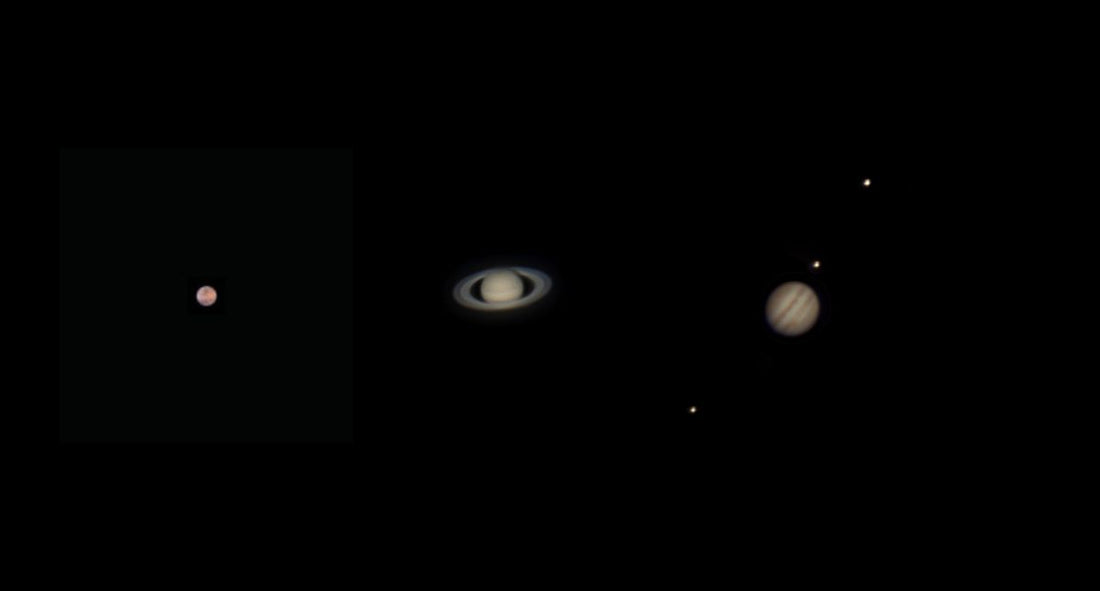
Mars is best observed during opposition. This occurs approximately every two years, when Mars is closest to Earth and appears brightest. The last opposition of Mars occurred in December 2022, and the next will be in January 2025, when the apparent magnitude reaches approximately -2 and it is very bright in the sky.

Jupiter is also best observed during its opposition. This event occurs approximately every 13 months, when Jupiter is closest to Earth. Jupiter's last opposition was in November 2023, and the next one will be in December 2024.
Saturn, similar to Mars and Jupiter, is best seen during its opposition, which occurs every 12-13 months when Saturn is closest to Earth and its ring system is most visible. Saturn's last opposition was in August 2023, and the next one will be in September 2024. This is the next opposition as of the date of this writing.
Venus is best visible when it is visible as either the "morning star" or the "evening star." Venus has visibility cycles of approximately 19 months, and is brightest and most visible in the western sky after sunset or in the eastern sky before sunrise.
Mercury is best observed during its greatest elongations, which occur several times a year. Mercury's greatest elongations occur when it is most visible after sunset (eastern elongations) or before sunrise (western elongations).
In general, for the best observation of any planet, choose nights with clear skies and avoid light pollution. Higher elevations can offer clearer views by reducing atmospheric interference. Additionally, using astronomy apps can be very helpful in tracking the positions and best viewing dates of the planets.
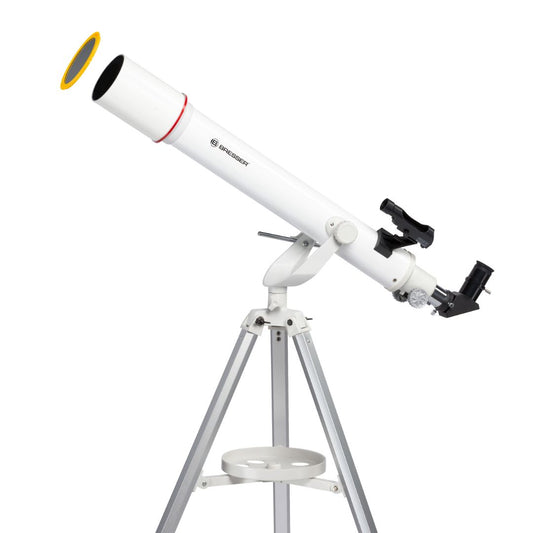
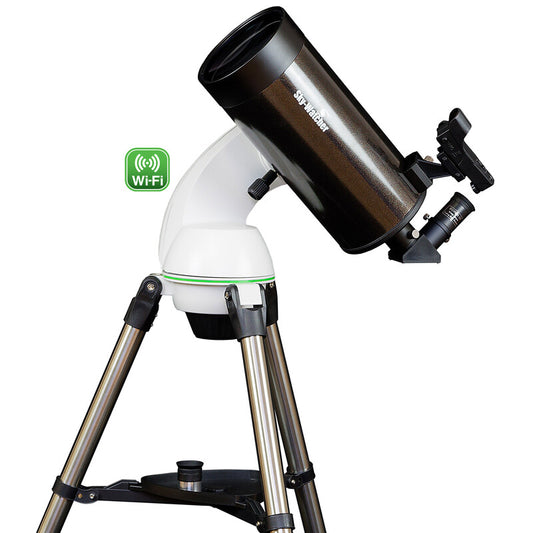
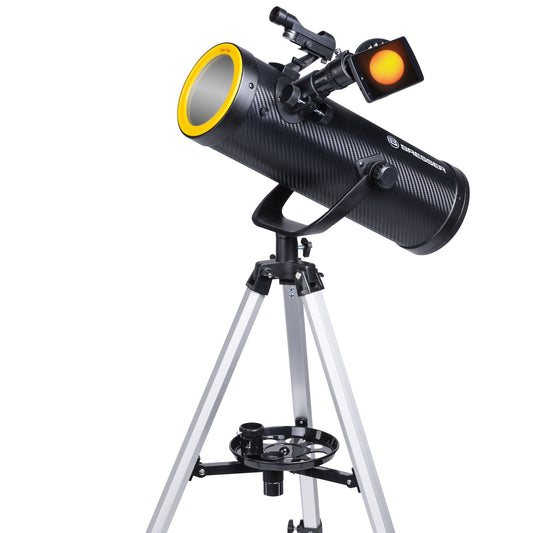
Now that you know the dates of the upcoming planetary oppositions, it's time to prepare your equipment and have everything under control for your observations.